

26.01.2025 19:30
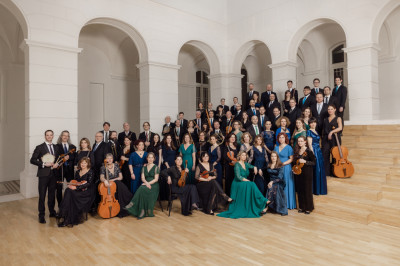
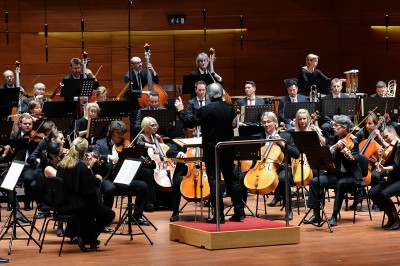
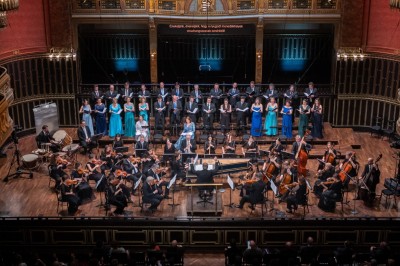
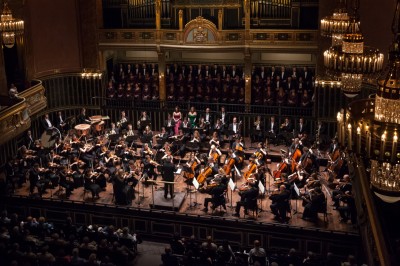
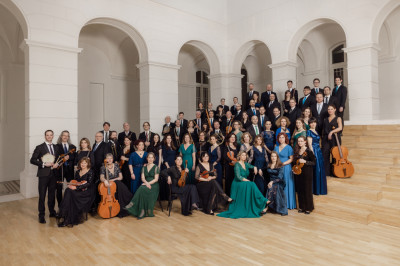
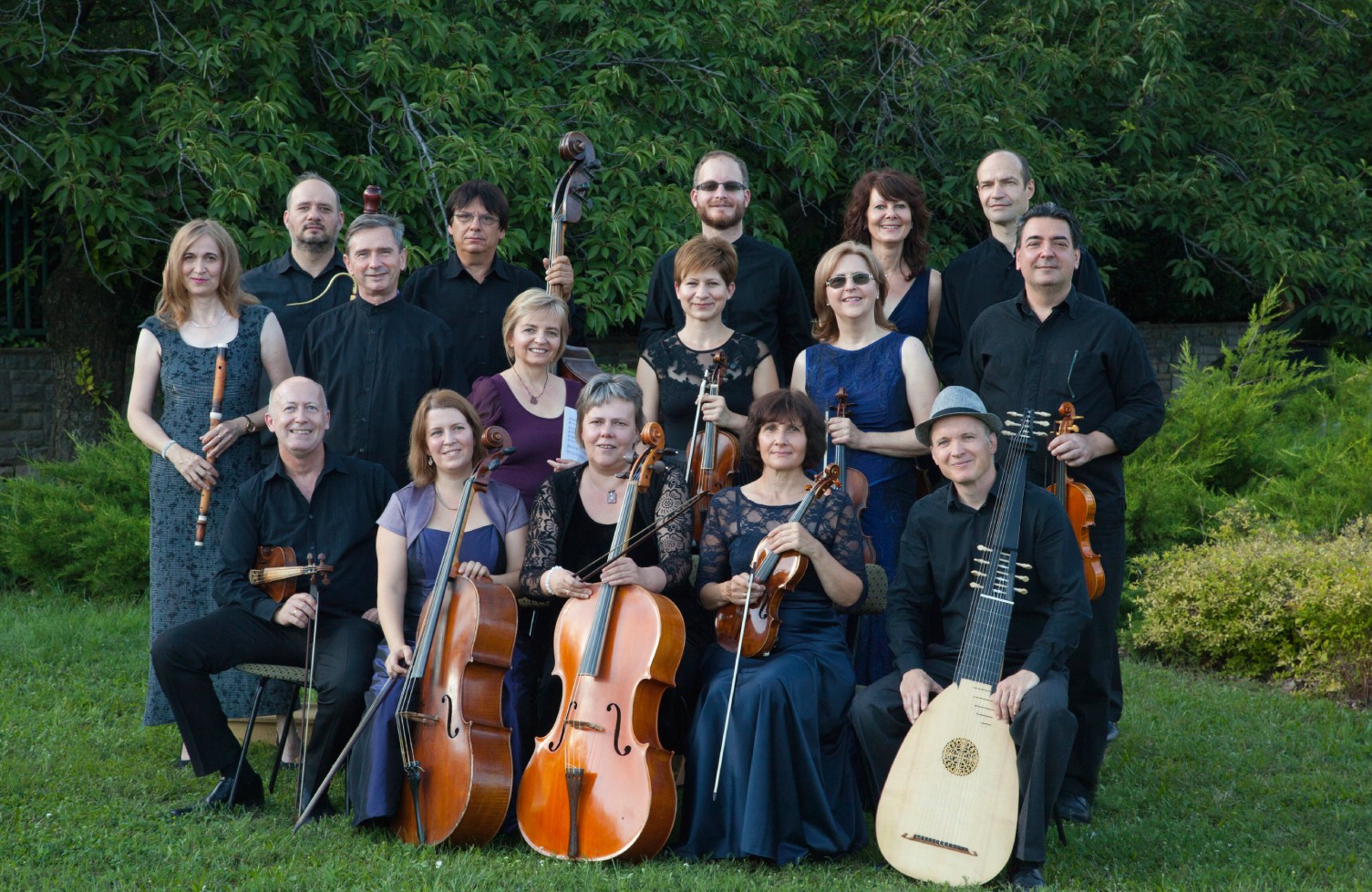
Capella Savaria and Purcell Choir
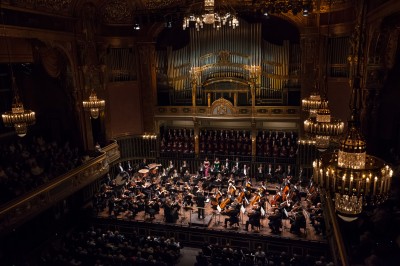
Budapest, Liszt Academy, Grand Hall
Unikum Season Ticket - Budapest
Season tickets

Ticket discounts:
We offer a 10% discount for students and pensioners. Filharmonia Hungary season ticket holders can purchase tickets with a 20% discount by showing their season tickets! Individual discounts cannot be combined!
Tickets and season tickets can be purchased at the Budapest office of the Filharmonia Hungary (1143, Budapest, Szobránc u. 6-8.), at the Liszt Academy and online at www.jegymester.hu.
We reserve the right to change the programmes, dates, venues, and performances, and ticket prices may change accordingly.


The storyof Belshazzar is the story of the deliverance of the Jewish people from Babylon. Händel's imagination was captured by the many choral movements in whichthe Babylonian's and the Jews' portrayal allowed sensitive charachter depiction. Babylonian choral music portrays the enjoyment of life, earthly pleasures, and merriment, while the music of the Jews is rather sublime, densley woven, and profound. Händel employes contrasts in the portrayal of the soloists, as Belshazzar, the frivolous, sacrilegious Babylonian ruler, is in conflict with his mother Nitocris, who recognises the power of the Jewish god and, in a vain attempt to bring her son to his senses, muat watch both the fall of the empire and the death of her son. Händel's compositions reveals his mastery of operatic portrayal and reverence for sacredness.